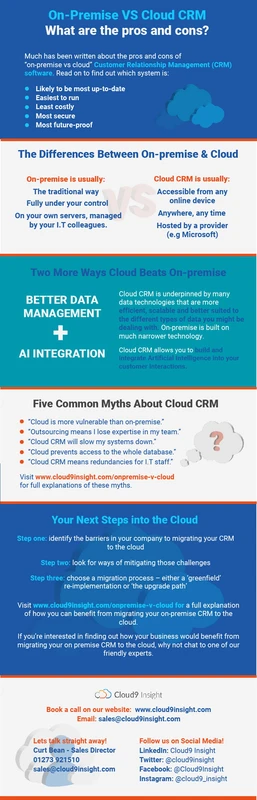
CRM Master – In 2026, over 85% of new CRM deployments favor cloud-based solutions due to their scalability, lower upfront costs, and enhanced mobility. Cloud CRMs reduce IT maintenance expenses and integrate AI-driven features, driving operational efficiencies and higher margins. On-premise CRM systems still hold value in sectors demanding heightened data security and control, such as finance and the public sector.
As businesses increasingly prioritize customer experience and operational agility, understanding the financial and operational distinctions between cloud CRM and on-premise CRM is crucial. Which deployment model truly offers better economic value in 2026? This analysis dives deep into cost structures, scalability benefits, market trends, and technology integrations shaping the CRM landscape. Whether you’re an investor evaluating CRM providers or an enterprise deciding on procurement, clear insights grounded in current financial data and market dynamics will guide your decision.
With Salesforce Inc. leading the charge—posting a remarkable $10.26 billion in Q3 revenue and a 35.5% operating margin—cloud crm adoption is reshaping how companies manage customer relationships. This article explores deployment trends, technological impacts like AI integration, and future growth projections, positioning you to make informed, financially sound choices in CRM investments.
We’ll start by examining deployment models and cost analysis, move through technology-driven market shifts, and conclude with strategic recommendations and investment implications. Expect detailed financial metrics, comparative tables, and practical examples to clarify complex concepts and support your business strategy.
Market and Economic Analysis of Cloud CRM vs On-Premise CRM
The CRM market is undergoing a pronounced shift toward cloud-based solutions, with current data indicating that more than 85% of new CRM deployments between 2024 and 2026 are cloud-centric. This trend is fueled by the lower capital expenditure (CAPEX) requirements and greater operational flexibility cloud platforms offer compared to traditional on-premise systems.
Deployment Trends and Market Share (2024-2026)
According to recent data from ResearchAndMarkets.com and GLOBE NEWSWIRE, cloud CRM solutions dominate new CRM implementations globally. North America leads in both cloud CRM adoption and CRM Business Process Outsourcing (BPO) services, particularly within telecom, finance, and public sector verticals. This regional leadership is underpinned by robust digital transformation initiatives and regulatory support encouraging cloud migration.
| Deployment Model | Market Share 2024 | Market Share 2026 (Projected)
| Growth Rate (CAGR) |
|---|
|———————-|——————-|——————————-|——————–|| Cloud CRM | 70% | 85%+
| 12.5% |
|---|
| On-Premise CRM | 30% | <15%
| -8.0% |
|---|
| Deployment Model | Market Share 2024 | Market Share 2026 (Projected) | Growth Rate (CAGR) |
|---|---|---|---|
| Cloud CRM | 70% | 85%+ | 12.5% |
| On-Premise CRM | 30% | <15% | -8.0% |
This rapid cloud adoption also correlates with the rise in CRM BPO services, where third-party providers manage CRM operations leveraging cloud infrastructure to boost efficiency and reduce costs.
Cost Structures and Financial Metrics
The financial considerations for cloud CRM versus on-premise CRM center around upfront capital investment and ongoing operating expenses. On-premise CRM requires significant CAPEX for hardware acquisition, software licenses, and dedicated IT teams for maintenance. Conversely, cloud CRM operates on a subscription-based model, converting CAPEX into more predictable operating expenses (OPEX).
Salesforce Inc., a market leader, exemplifies the financial dynamics of cloud CRM. Their Q3 2026 earnings reported $10.26 billion in revenue with an operating margin of 35.5%, reflecting the profitability achievable with cloud subscription models and efficient operational frameworks.
| Cost Factor | Cloud CRM
| On-Premise CRM |
|---|
|—————————-|——————————–|——————————-|| Upfront CAPEX | Low (subscription-based)
| High (hardware, licenses) |
|---|
| Ongoing OPEX | Moderate (subscription fees)
| High (maintenance, upgrades) |
|---|
| IT Maintenance Costs | Low (vendor-managed)
| High (internal IT teams) |
|---|
| Scalability Costs | Elastic, pay-as-you-grow
| Fixed, costly to scale |
|---|
| Total Cost of Ownership* | Typically 20-30% lower over 5 years
| Higher due to maintenance and upgrade cycles |
|---|
*Based on Deloitte’s recent CRM cost analysis report .
Scalability and Flexibility as Economic Drivers
Cloud CRM’s scalability is key to its economic appeal. Businesses experiencing rapid growth, especially in e-commerce and mobile CRM sectors, benefit from cloud solutions that can dynamically allocate resources without extensive infrastructure investments. This flexibility reduces both time-to-market and financial risk.
In contrast, on-premise crm systems often face scalability bottlenecks, requiring additional hardware procurement and software licenses to expand capacity, resulting in higher marginal costs and delayed responsiveness.
Technological and Operational Impact on Market Dynamics
The integration of AI and analytics alongside enhanced mobility capabilities is transforming CRM operational efficiency and customer experience. These technological advancements provide a competitive edge that impacts market positioning and financial performance.
AI and Analytics Integration in CRM Solutions
Salesforce’s AI-driven product portfolio grew its Annual Recurring Revenue (ARR) by 114% recently, highlighting the financial impact of embedding AI into CRM platforms. AI-powered CRM enables predictive customer behavior analytics, personalized marketing, and automated service processes that improve retention and reduce operational costs.
For example, AI-enabled chatbots reduce customer support costs by up to 30%, while predictive sales analytics can increase conversion rates by 20%, directly contributing to revenue growth and margin expansion.
Mobility and Accessibility Enhancements
Cloud CRM facilitates seamless mobile access, critical for workforce agility in sectors like telecom and finance. Mobile CRM adoption supports remote sales teams and real-time customer data access, enhancing decision-making speed and customer responsiveness.
This mobility translates into tangible financial benefits: reduced travel expenses, faster sales cycles, and improved customer satisfaction scores, which drive lifetime value.
Security and Control Considerations
Despite cloud CRM’s advantages, on-premise CRM maintains relevance where data security and regulatory control are paramount. Industries like finance and certain public sector agencies prefer on-premise deployments to meet stringent compliance requirements such as GDPR or HIPAA.
Balancing operational risks involves assessing data sensitivity, compliance mandates, and potential breach costs. Hybrid models incorporating private cloud elements are emerging as a compromise, offering enhanced control with cloud scalability.
Future Outlook and Investment Implications for CRM Systems
Forecasts indicate sustained growth in the CRM market, driven by increasing demand for personalized customer experiences and digital agility. Cloud CRM adoption is expected to accelerate, with significant investment opportunities in AI-powered CRM and CRM BPO services.
Forecast of CRM Market Growth and Cloud Adoption (2025-2033)
Market projections estimate a Compound Annual Growth Rate (CAGR) of approximately 11.8% for cloud CRM solutions through 2033, fueled by innovations in AI, mobile CRM, and cloud-native architectures.
| Metric | 2025 (Billion USD) | 2033 (Billion USD)
| CAGR (%) |
|---|
|—————————-|——————–|——————–|———–|| Cloud CRM Market Size | $48 | $110
| 11.8 |
|---|
| On-Premise CRM Market Size | $12 | $7
| -5.2 |
|---|
| CRM BPO Services Market | $15 | $40
| 12.3 |
|---|
| Metric | 2025 (Billion USD) | 2033 (Billion USD) | CAGR (%) |
|---|---|---|---|
| Cloud CRM Market Size | $48 | $110 | 11.8 |
| On-Premise CRM Market Size | $12 | $7 | -5.2 |
| CRM BPO Services Market | $15 | $40 | 12.3 |
Investment Opportunities in Cloud CRM and CRM BPO Services
AI-powered CRM and Customer Experience as a Service (CXaaS) models represent lucrative segments. Enterprises in telecom, finance, and public sectors are leading adopters, creating regional investment hotspots, especially in North America.
Investors should prioritize companies demonstrating strong AI integration, cloud-native agility, and scalable BPO models. Salesforce’s continued revenue growth and margin expansion underscore the financial viability of these trends.
Strategic Recommendations for Enterprises and Investors
Enterprises must evaluate total cost of ownership (TCO), considering direct costs and scalability needs alongside compliance risks. Integrating AI-driven features early can yield operational efficiencies and improved customer retention.
From an investment perspective, diversifying across cloud CRM providers, AI innovators, and BPO service firms optimizes exposure to this high-growth sector. Risk assessment should include regulatory changes and competitive pressures.
Risk Assessment and Mitigation Strategies in CRM Adoption
Transitioning to cloud CRM involves operational and financial risks, including data security vulnerabilities, vendor lock-in, and migration costs. Conversely, on-premise CRM risks include obsolescence and high maintenance expenses.
Mitigation strategies involve adopting hybrid cloud models, performing rigorous vendor due diligence, and investing in employee training for new CRM tools. Regulatory compliance audits and cybersecurity investments are essential, especially in sensitive industries.
ROI Analysis and Financial Projections for CRM Deployments
Return on investment (ROI) for cloud CRM is typically realized within 12-18 months due to lower initial investment and faster deployment cycles. Comparative projections show a 25-30% higher ROI for cloud CRM over five years compared to on-premise alternatives.
| Metric | Cloud CRM (5 Years)
| On-Premise CRM (5 Years) |
|---|
|——————————|———————|————————–|| Total Investment (USD) | $1,200,000
| $1,800,000 |
|---|
| Operational Cost Savings (%) | 20-25%
| 0-5% |
|---|
| Revenue Growth Contribution (%)| 15-20%
| 5-10% |
|---|
| Payback Period (Months) | 12-18
| 24-36 |
|---|
| Metric | Cloud CRM (5 Years) | On-Premise CRM (5 Years) |
|---|---|---|
| Total Investment (USD) | $1,200,000 | $1,800,000 |
| Operational Cost Savings (%) | 20-25% | 0-5% |
| Revenue Growth Contribution (%) | 15-20% | 5-10% |
| Payback Period (Months) | 12-18 | 24-36 |
These figures are supported by Deloitte’s industry reports and case studies from enterprises that have transitioned to cloud CRM, realizing improved operational efficiency and accelerated digital transformation.
Economic Impact of CRM Deployment Models on Key Sectors
CRM adoption drives economic value by improving customer retention, reducing operational costs, and enabling new revenue streams. Particularly in e-commerce, telecom, and finance sectors, cloud CRM enhances digital agility and customer engagement.
Public sector adoption of cloud CRM, though slower due to security concerns, is rising, driven by cost containment pressures and digital service mandates. CRM BPO services also contribute to economic growth by outsourcing customer management to specialized providers, allowing enterprises to focus on core competencies.
—
Frequently Asked Questions
What are the main cost differences between cloud CRM and on-premise CRM?
Cloud CRM typically has lower upfront costs with subscription-based pricing, reducing capital expenditures. On-premise CRM requires significant initial investment in hardware and licenses, with higher ongoing maintenance expenses.
Why are more companies choosing cloud CRM over on-premise solutions in 2026?
Cloud CRM offers superior scalability, mobility, and integration with AI analytics, enabling operational efficiencies and cost savings. These benefits align with growing digital transformation and customer experience demands.
How does AI integration impact CRM financial performance?
AI enhances CRM by automating processes, improving customer insights, and increasing sales conversion rates, which boost revenue and reduce support costs, contributing to higher profit margins.
When is on-premise CRM still preferred despite cloud advantages?
On-premise CRM is favored in sectors requiring stringent data security, regulatory compliance, or full control over IT infrastructure, such as finance and certain public agencies.
—
In summary, cloud CRM’s financial and operational advantages position it as the dominant CRM deployment model in 2026 and beyond. Enterprises and investors should leverage scalable cloud solutions integrated with AI to drive growth and efficiency. However, a balanced approach recognizing the role of on-premise CRM in security-sensitive environments ensures prudent risk management.
To capitalize on CRM market opportunities, organizations should evaluate total cost of ownership, prioritize AI adoption, and consider CRM BPO services to optimize customer engagement strategies. Staying informed of market trends and financial metrics will enable smarter investment and procurement decisions in this dynamic sector.